Summer 25% discount on all last year's products home fashion minimalism

Dog & Cat Dental Cleaning Products That Make Home Dental Care Easy

Most pet owners find out about dental disease the hard way a whiff of bad breath while their dog’s giving kisses, or a vet appointment that ends with “we should really get that plaque under control.” It’s more common than people think. By age three, most dogs and cats already show some early sign of dental disease, and once that starts, it doesn’t reverse itself on its own.
The good news is that keeping up with it doesn’t require a dental degree. A handful of well-chosen dog dental cleaning products, used consistently, can do a lot of the heavy lifting between vet visits and honestly, that’s what this guide is here to walk through.
Why Dental Care Matters More Than People Assume
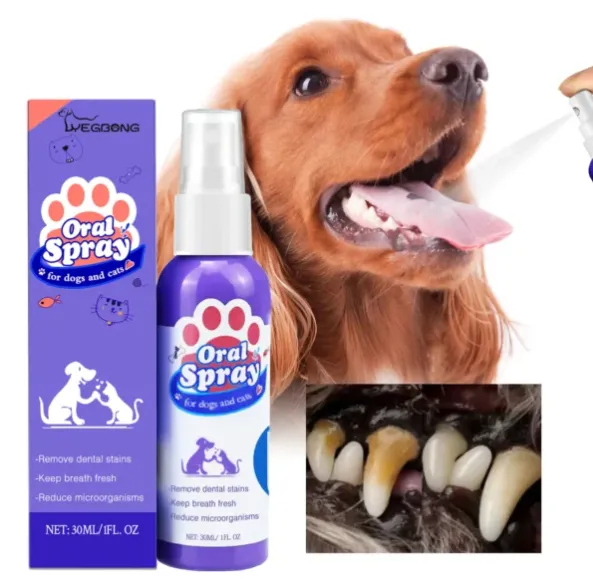
It’s easy to think of pet dental health as a cosmetic thing nobody wants stinky breath in their face, sure. But plaque left untreated hardens into tartar within a few days, and tartar under the gumline is where the real trouble starts. Left long enough, it leads to gum disease, tooth loss, and in some cases, infections that spread beyond the mouth entirely. Vets see this constantly, which is exactly why so many of them push at-home care as the first line of defense, not an afterthought.
This is where a solid routine of pet dental care at home actually earns its place. It won’t replace a professional cleaning when one’s needed, but it slows down how fast plaque builds up in the first place which means fewer trips to the vet for dental work down the line.
Dog Dental Cleaning Products That Actually Work
Not every product on a pet store shelf does what it claims. Here’s what tends to hold up, based on what vets and dog owners actually rely on:
Enzymatic toothpaste and a soft brush. This is still the gold standard. A dog-specific enzymatic paste (never human toothpaste it’s genuinely harmful to them) paired with a soft-bristled brush or finger brush breaks down plaque mechanically and chemically at the same time. Three times a week is the bare minimum; daily is better if your dog already has some buildup.
VOHC-approved dental chews. Look for the Veterinary Oral Health Council seal it means the product has actually been tested to reduce plaque or tartar, not just marketed that way. Chews work through the physical scraping action as your dog bites down, so texture and shape matter more than flavor here.
Dental wipes. For dogs who treat a toothbrush like a personal attack, wipes are a solid middle ground. Wrap one around your finger, run it along the gumline, and you get most of the benefit of brushing without the fight.
Water additives. These go straight into the water bowl and work passively throughout the day. They’re not a replacement for brushing, but for dogs who resist everything else, it’s better than doing nothing.
Rotating a couple of these together a chew in the morning, brushing at night, water additive running in the background tends to work better than relying on just one method.
Affordable Cat Dental Cleaning Doesn’t Have to Mean Compromising
Cats complicate things a bit. Most cats aren’t exactly lining up to have their teeth brushed, and a lot of owners assume good dental care means expensive prescription diets or vet-only treatments. That’s not really true. Affordable cat dental cleaning is entirely possible with the right combination of everyday products, most of which cost less than a single vet visit for plaque removal.
Dental treats designed specifically for cats work through the same mechanical scraping principle as dog chews, just scaled down for smaller mouths and pickier eaters. Water additives are another low-cost, low-effort option tasteless, odorless, and they just sit in the water bowl doing their job without any wrestling involved. For cats who tolerate a bit of handling, oral gels applied directly to the gumline are cheap, fast, and don’t require a full brushing session.
Cat Dental Cleaning Products Worth Trying at Home
If brushing genuinely isn’t happening and for a lot of cats, it just isn’t these cat dental cleaning products are worth building a routine around instead:
- Enzymatic gels rubbed along the gum line once daily
- VOHC-approved dental treats given in moderation (they still count toward daily calories)
- Water additives mixed in fresh water each day
- Textured dental chew toys that encourage natural gnawing
None of these need to be used all at once. Pick one or two that your cat actually tolerates, stay consistent with them, and that consistency matters far more than trying to do everything perfectly.
Building a Simple Dog and Cat Teeth Cleaning Routine
A routine doesn’t need to be complicated to work. Most vets recommend starting slow, especially with pets who’ve never had their mouth handled before:
- Let your pet sniff and taste the toothpaste or gel first, with no brushing involved just building familiarity
- Gently lift the lips to get them used to having their mouth touched, rewarding calm behavior
- Introduce a finger brush or wipe before moving to a full toothbrush
- Once they’re comfortable, aim for brushing three to four times a week, working up to daily
- Layer in chews, water additives, or gels on the days you don’t brush
Dog and cat teeth cleaning doesn’t have to happen all in one sitting either some owners split it into thirty-second sessions throughout the day, which tends to go over a lot better than trying to force a full two-minute brush right out of the gate.
Signs Your Pet’s Teeth Need Attention
Even with a good routine, it helps to know what to watch for between checkups:
- Persistent bad breath that doesn’t go away with brushing
- Red, swollen, or bleeding gums
- Yellow or brown buildup along the gumline
- Reluctance to eat, or chewing on one side of the mouth
- Pawing at the face or mouth
Any of these are worth a vet visit rather than trying to fix with home products alone. At-home care is meant to prevent problems, not treat ones that are already underway.
Frequently Asked Questions
What’s the most effective dog dental cleaning product for daily use?
Brushing with an enzymatic, dog-specific toothpaste is still considered the most effective option by most vets, since it reaches the gumline where plaque actually starts. VOHC-approved chews are a strong second choice for dogs who won’t tolerate brushing.
Is affordable cat dental cleaning actually effective, or do I need expensive vet products?
Affordable options like dental treats, water additives, and gels can be genuinely effective when used consistently. The price tag doesn’t determine effectiveness looking for the VOHC seal does. Many budget-friendly products carry that same certification as pricier ones.
How often should I be using cat dental cleaning products?
Daily is ideal, but that doesn’t have to mean daily brushing. A water additive running continuously, combined with a treat or gel a few times a week, still makes a real difference even if full brushing isn’t happening every day.
Can dental chews replace brushing for dogs?
Not entirely, but they get you part of the way there. Chews clean mechanically as your dog bites down, while brushing reaches areas chewing can’t, like along the gumline. Using both together covers more ground than either one alone.
My cat won’t let me near her mouth what are my options?
Water additives and food-mixed powders are the easiest starting point since they need zero physical handling. From there, gels applied briefly to the gumline are a reasonable next step once she’s more comfortable being touched near the mouth.
Are human toothpaste or toothbrushes safe to use on pets?
No. Human toothpaste often contains fluoride and foaming agents that can cause stomach upset or worse if swallowed, and pets don’t spit like we do. Always use a toothpaste made specifically for dogs or cats, along with a pet-sized brush.
Do dental cleaning products replace the need for a professional cleaning?
No, and it’s worth being upfront about that. At-home products slow down plaque and tartar buildup, but they can’t reach below the gumline the way a professional cleaning can. Think of home care as what happens between cleanings, not instead of them.